

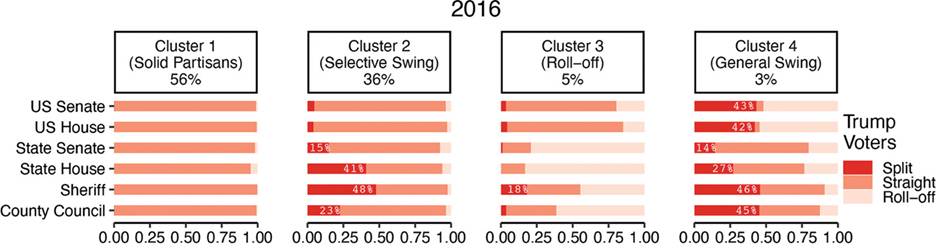
Local politics deals with issues far from the presidential campaign: schools, police, and sanitation. Yet in many states and counties, winning these offices effectively requires running under a party label. Local politicians often insist that their work transcends national partisanship — but do voters see it that way?
Leave a CommentCategory: American Politics
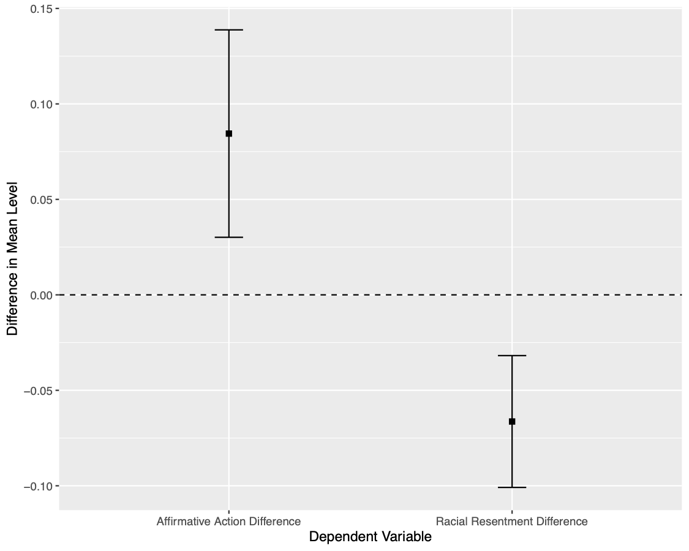
In a new research paper published in the Journal of Politics, we consider how race-centered coursework influences public opinion among college students. This is important because college student bodies have diversified over the past few decades. As such, many colleges and universities are offering courses on race and ethnicity to meet student demand, especially in response to contemporary events, such as protests for racial justice in the summer of 2020. There has also been pushback against educational initiatives that center race and diversity, with several states restricting such activities at public universities in recent years.
Leave a Comment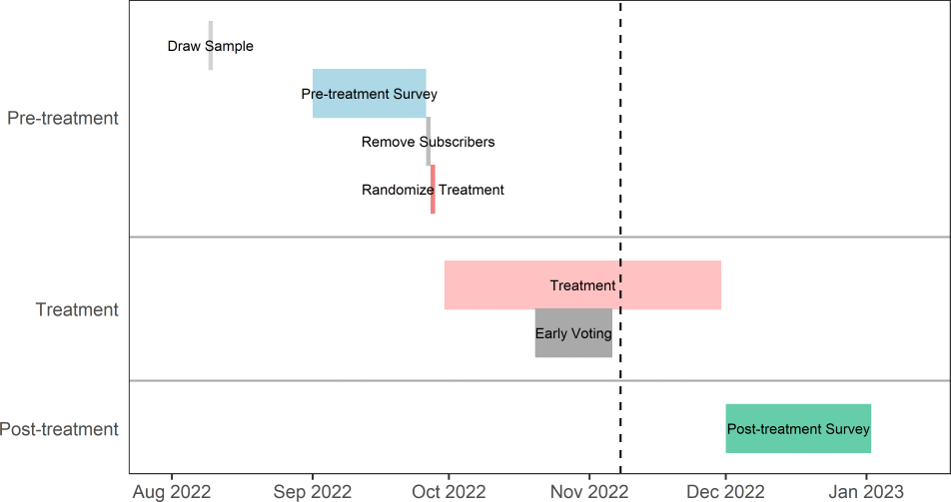
Local newspapers were once a staple of American political life. Information is the lifeblood of democracy, and newspapers have long been critical providers of information to the public. Founding figures of the American democratic experiment described newspapers as essential for ensuring that government is responsive and accountable: Thomas Jefferson, the principal author of the Declaration of Independence and the nation’s third President, wrote that given a choice between “government without newspapers or newspapers without government,” he “would not hesitate a moment to prefer the latter.”
Leave a Comment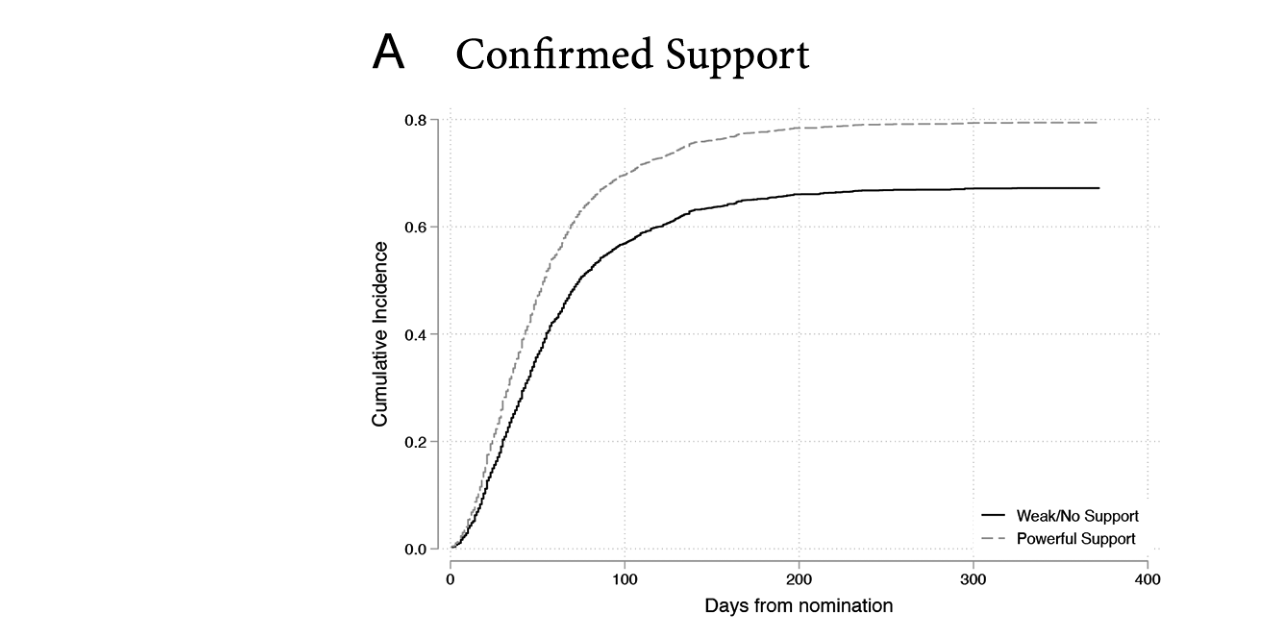
When a president nominates someone to lead a federal agency, the confirmation process is often described as a negotiation between the White House and the Senate. That view is incomplete. Organized interests are also part of the process, and their influence can begin well before many nominees ever take office.
Leave a Comment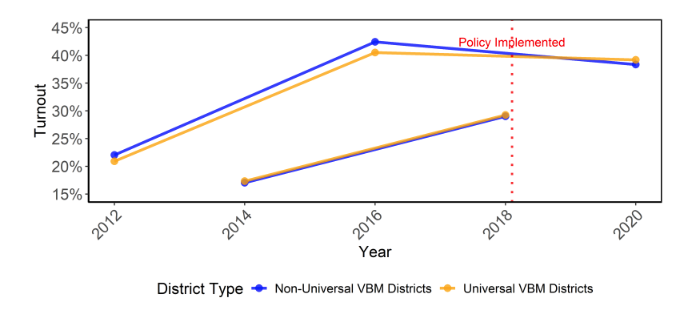
In recent years, voting by mail has been the subject of numerous lawsuits and attacks that often claim the process gives Democratic nominees and legislative bills an edge. Are there merits to this claim, and what are the actual causal effects of sending ballots to all registered voters? In the paper, we take advantage of a unique situation in Southern California that allows us to pin down the causal effects convincingly.
Leave a Comment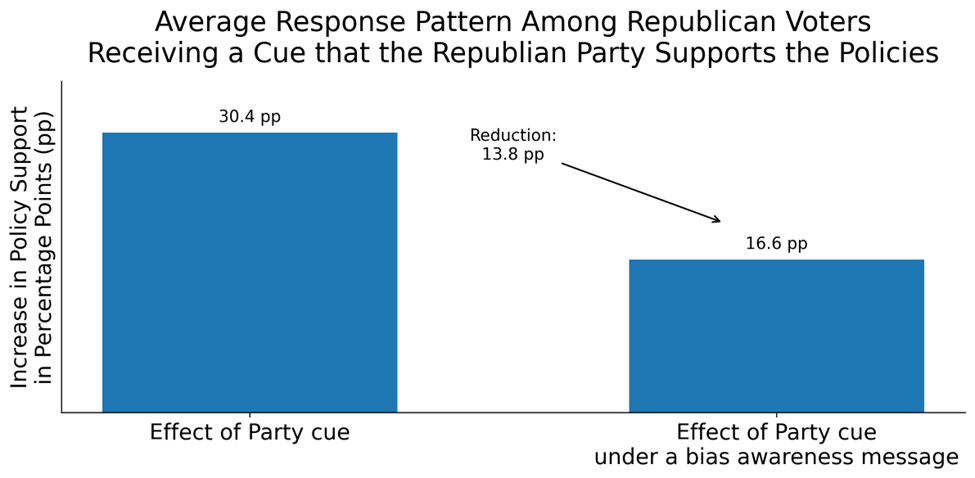
One of the strongest findings in political behavior research is that people often take cues from their party when forming opinions. If their party supports a proposal, they are more likely to support it too. If the opposing party supports it, they often move the other way. In a polarized age, that pattern matters. It suggests that citizens may sometimes respond less to what a policy does than to who backs it.
Leave a Comment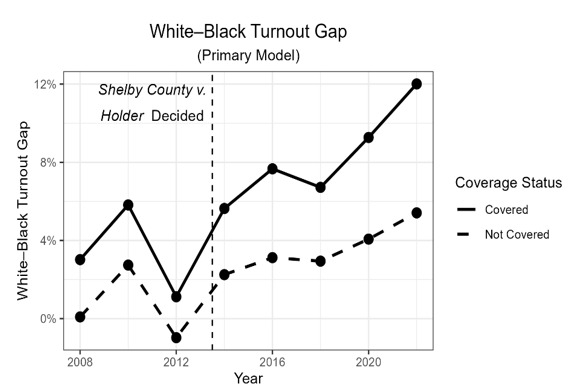
As the Court again weighs the fate of the Voting Rights Act, new research shows that 2013’s Shelby County v. Holder (an earlier decision that hollowed out the law’s protections) dramatically increased the racial turnout gap.
Leave a Comment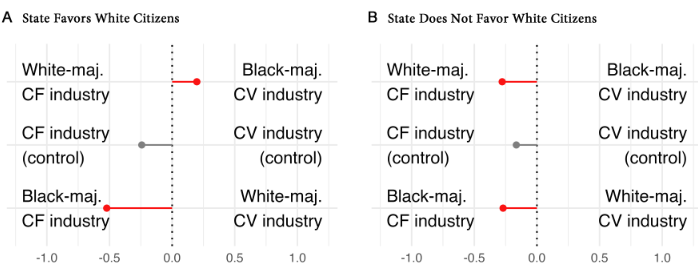
Climate change is an issue of economic transformation. As societies decarbonize, the focus of economic activity will shift from greenhouse gas-intensive industries to clean alternatives. As they are forced to…
1 CommentFor decades, American voters tended to like politicians who shared their gender or race. This preference for “descriptive representation” often reflected more positive associations with members of one’s own group.…
Leave a CommentSupreme Court and Policy Change While moneyed interests had always approached the Supreme Court for help advancing their goals, the Supreme Court’s 1954 ruling in Brown v. Board of Education…
Leave a Comment