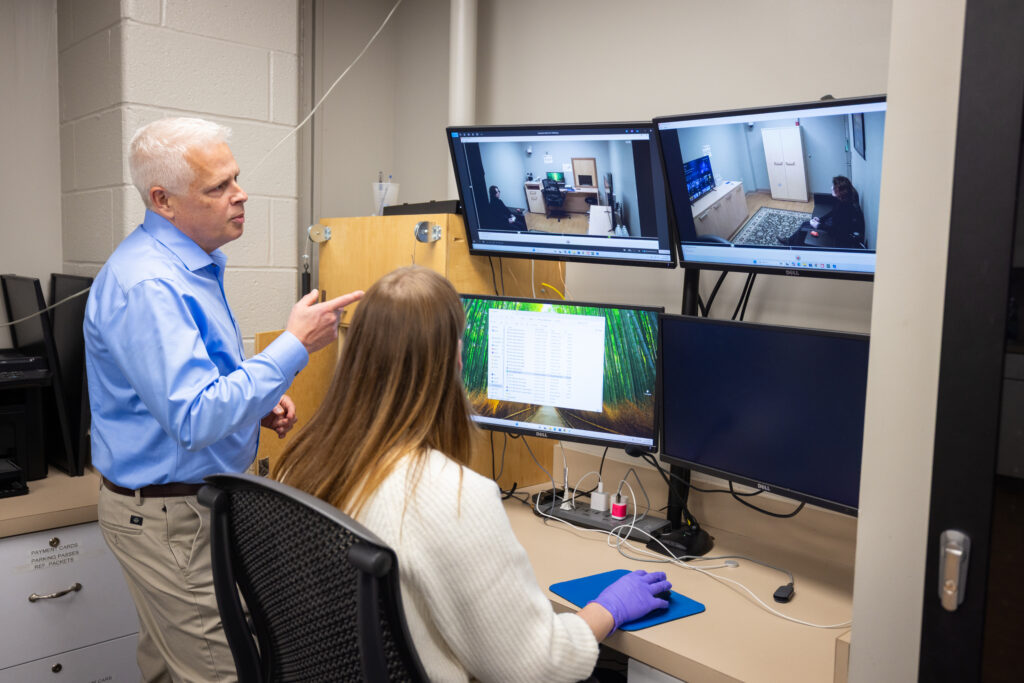
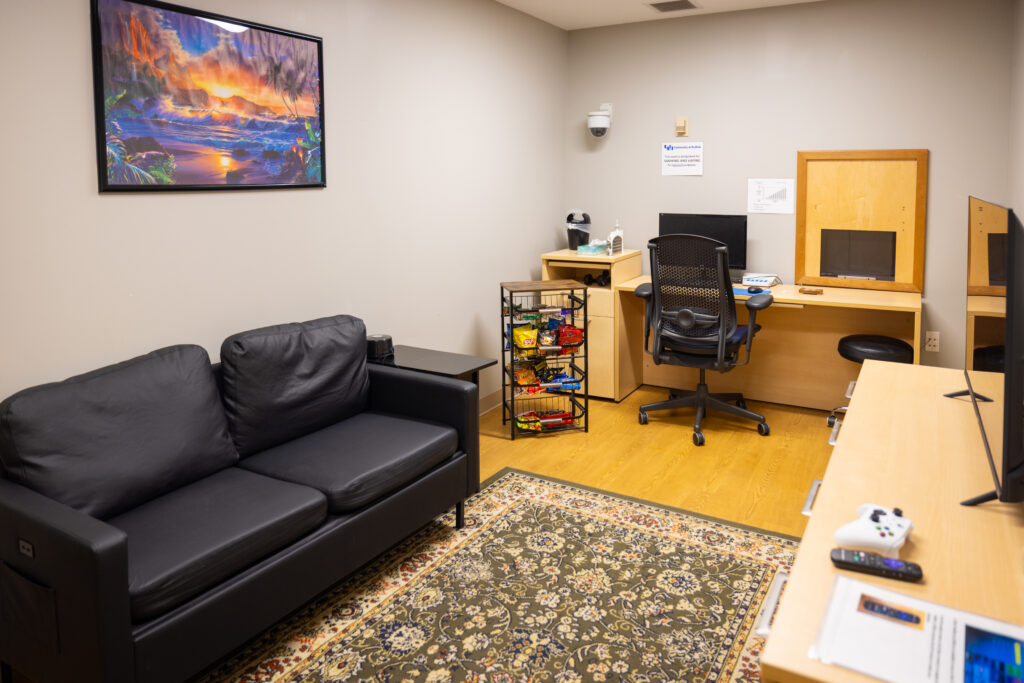
Welcome to our Behavioral Health Lab!
Much of our research focuses on understanding and treating tobacco/nicotine use — namely cigarette smoking and vaping of e-cigarettes. Our laboratory and clinical studies are integrated, with the lab studies helping to characterize potential targets for intervention, and the clinical trials both testing ways to improve treatment and seeking to identify the mechanisms by which those interventions work. In both areas, we are interested in how processes and treatments work across human diversity, especially for people facing tobacco-related health disparities, including sex and gender minorities, racialized groups, comorbid psychopathology, and co-use of other drugs. To find out more about our current and recently completed studies, please check out the Projects tab.
Our work is broader than nicotine and tobacco. For example, we’re currently conducting three clinical trials to examine the pros and cons of remote trial methods. We also examine other substances/drugs (namely stimulants, but also emerging work on cannabis), and a small portion of our research goes beyond addiction (e.g., ADHD, assessment of psychopathology). Still, the broad goals are the same — improving our understanding of the roles of basic processes (e.g., emotion/motivation and cognition) in mental health and building better assessment approaches and treatments for mental health problems. So, behavioral health is a better broad label for the work we passionately pursue.
We employ a range of methods and research designs. Of course we assess traditional self-report, but we also employ ecological momentary assessment (EMA), measure behavior directly through observation, and use a range of psychophysiological and biochemical methods. Our research designs include experiments, quasi-experimental designs, and longitudinal observation.
None of this work would be possible without an amazing team of collaborators, staff, and graduate and undergraduate students. Learn more about our team in the People tab.
Please take a look around. Prospective graduate and undergraduate students, please check out the “Join Us” tab. Let me know if you have any questions.
Sincerely,
Larry Hawk, Ph.D.
Professor
Coordinator of Research Advancement (CoRA)
Co-Director, Unit on Behavioral Health Research and Treatment
Department of Psychology
University at Buffalo