

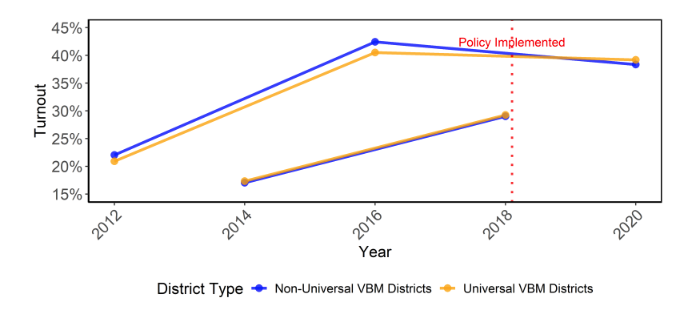
In recent years, voting by mail has been the subject of numerous lawsuits and attacks that often claim the process gives Democratic nominees and legislative bills an edge. Are there merits to this claim, and what are the actual causal effects of sending ballots to all registered voters? In the paper, we take advantage of a unique situation in Southern California that allows us to pin down the causal effects convincingly.
Leave a CommentCategory: Comparative Politics
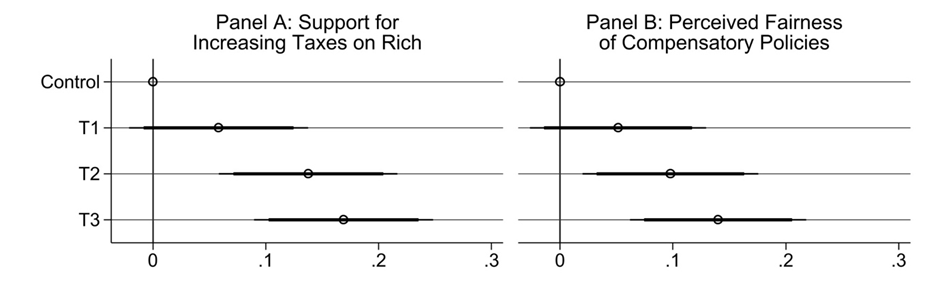
According to the compensatory theory of tax fairness, people support raising taxes on the rich when they perceive them to have benefited from unequal state action. This idea has been used to explain the historically high top marginal tax rates following the two world wars. In this context, while the poor were risking their lives for their country, many argued that the rich were not sacrificing as much —and some were even benefiting from the war industry. Higher taxes were thus seen as a way to compensate for this unequal treatment by the state and ensure that the war burden was shared more fairly across society.
Leave a Comment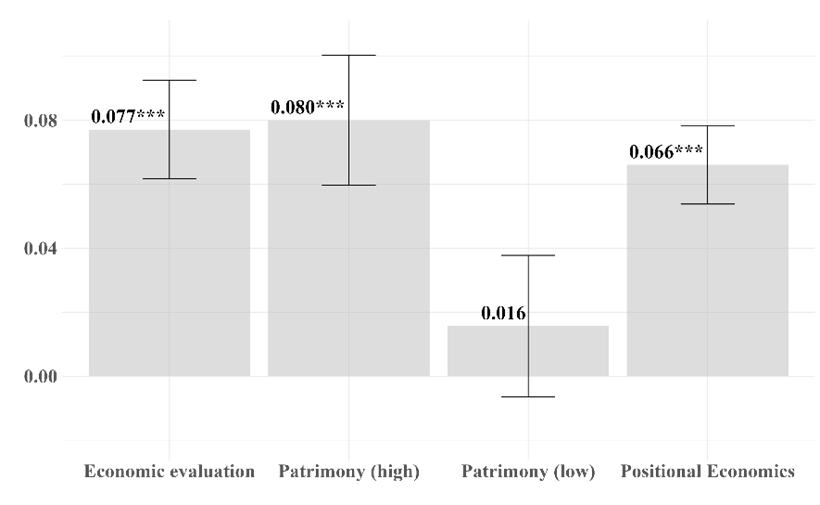
The conventional story of economic voting is simple: when the economy does well, incumbent governments get re-elected; when it is in decline, they get punished. But advancements in the economic voting literature suggest that the compleat economic voter is multidimensional, with valence (i.e., the assessment of economic performance) as only one dimension, alongside economic policy position and patrimony (i.e., ownership of assets).
Leave a Comment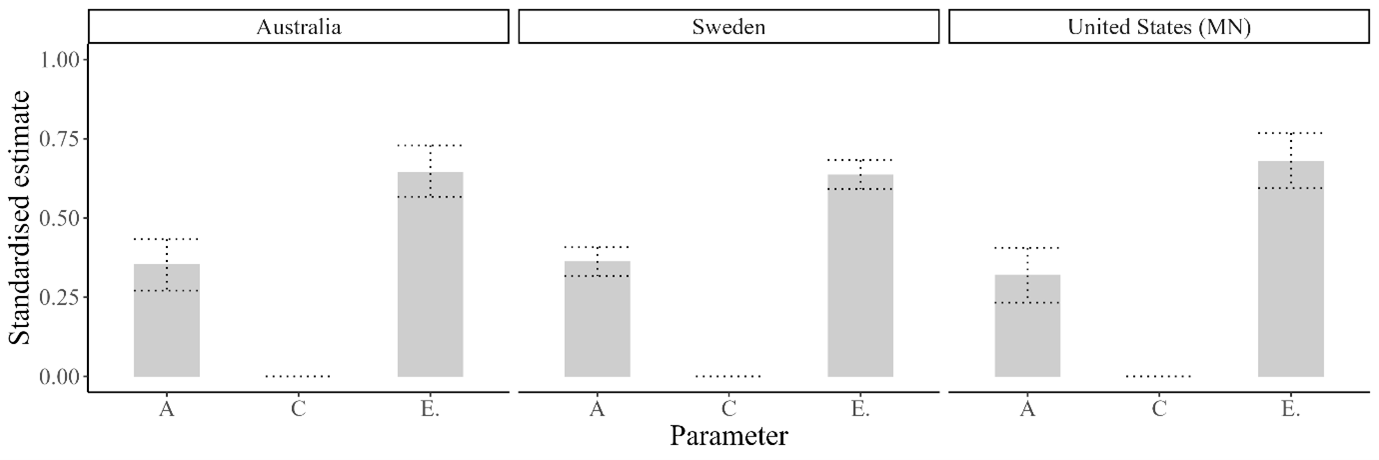
People are interested in political distrust because we normally assume that it is caused by poor government performance and that it has negative consequences, especially for political participation. In this paper, we challenge these two assumptions.
Leave a Comment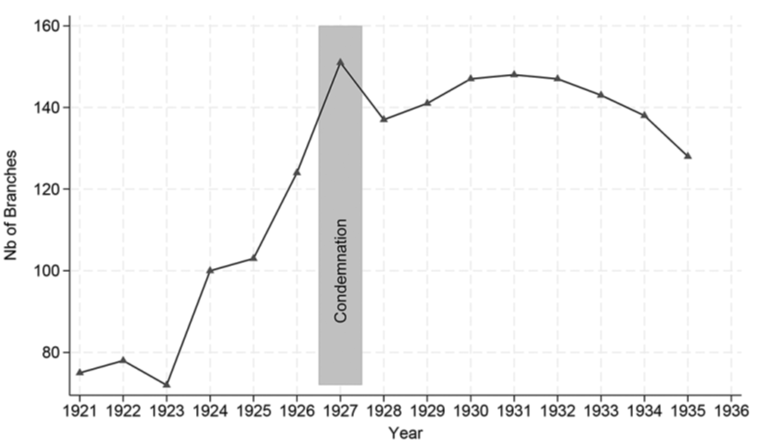
Political extremism is often attributed to voter anger and broader structural socioeconomic conditions. From this perspective, efforts to counter extremist movements may appear futile, since such groups are seen as deeply embedded in the contexts from which they arise. But is this necessarily the case? To address this question, we examine the Papal condemnation of an influential far-right movement in interwar France.
Leave a Comment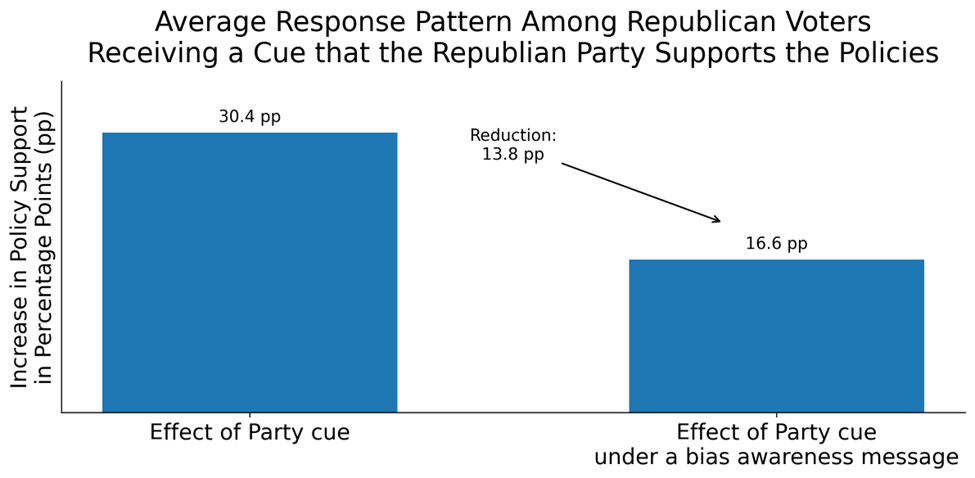
One of the strongest findings in political behavior research is that people often take cues from their party when forming opinions. If their party supports a proposal, they are more likely to support it too. If the opposing party supports it, they often move the other way. In a polarized age, that pattern matters. It suggests that citizens may sometimes respond less to what a policy does than to who backs it.
Leave a Comment
In the early 1990s, the growth of independent media played a vital role in Africa’s democratic transitions. New outlets broke state monopolies, promoting accountability and pluralism. But media freedom has…
Leave a Comment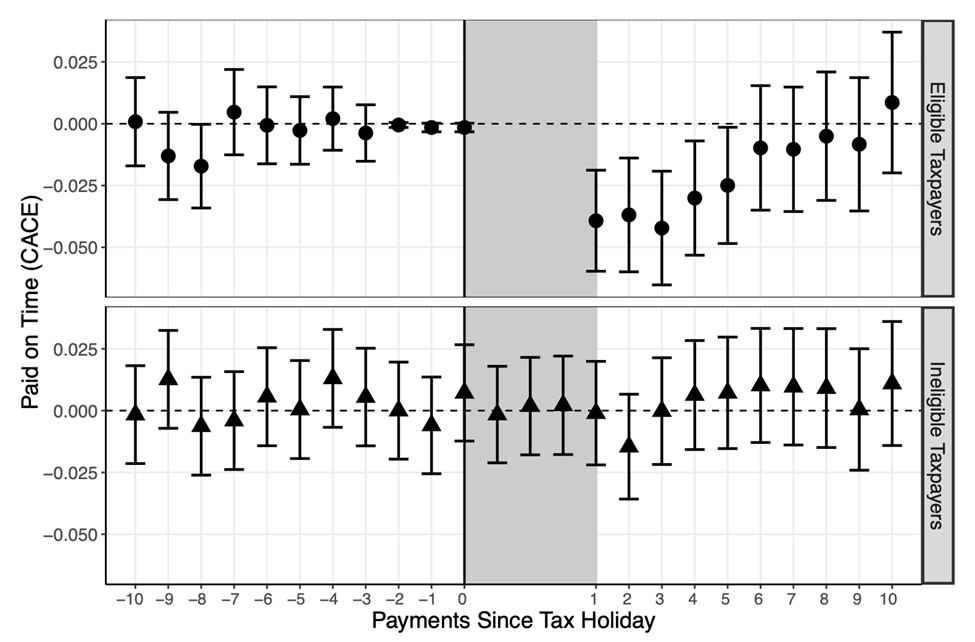
Montevideo’s Lottery for Good TaxpayersIn 2004, Montevideo, the capital of Uruguay, launched a pioneering program to reward punctual taxpayers by entering them into a lottery. The winners got a “tax…
Leave a Comment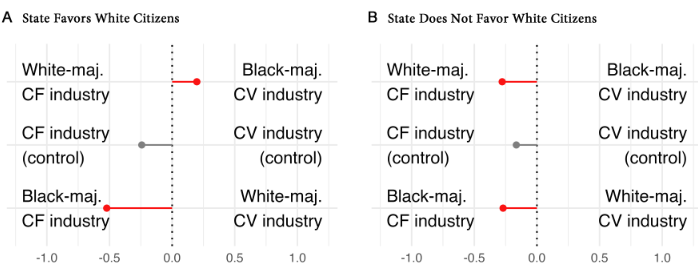
Climate change is an issue of economic transformation. As societies decarbonize, the focus of economic activity will shift from greenhouse gas-intensive industries to clean alternatives. As they are forced to…
1 Comment
Imagine you’re a politician enjoying a decent run in the opinion polls. You post on Facebook about the issues you care about most—your party’s core themes, the things you think…
1 Comment