


A nationally representative panel survey of Indonesian candidates suggests that electoral grievances among losers are most pronounced among older and male contenders, as well as those with high ex ante…
Leave a CommentThe Journal of Politics Blog Posts
David W. Rohde Publication: The Journal of Politics Volume 75, Number 4 DOI: https://doi.org/10.1017/S0022381613000911 In “Reflections on the Practice of Theorizing: Conditional Party Government in the Twenty-First Century,” David W.…
Leave a Comment
This month’s blog is dedicated to Prof. David W. Rohde and our special issue of the Journal of Politics, dedicated in his honor. Prof. David W. Rohde was Ernestine Friedl…
Leave a Comment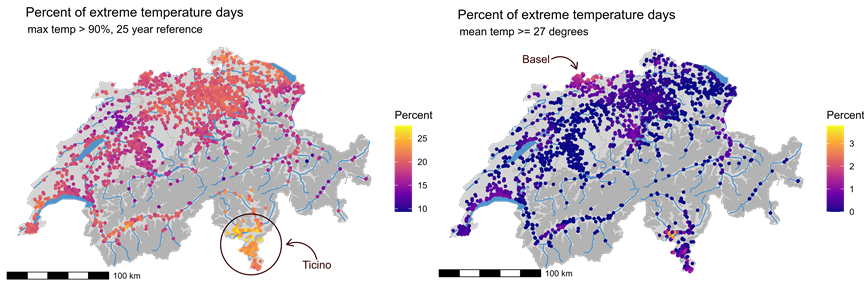
Summer 2026: extreme heat waves sweep across Europe, breaking longstanding records in many countries. Does personally experiencing such heat waves change people’s climate attitudes or even their policy preferences?
1 Comment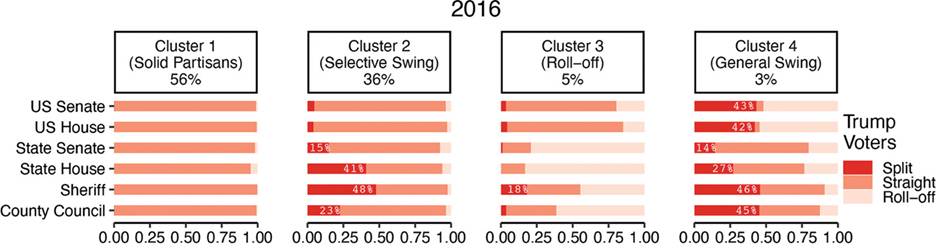
Local politics deals with issues far from the presidential campaign: schools, police, and sanitation. Yet in many states and counties, winning these offices effectively requires running under a party label. Local politicians often insist that their work transcends national partisanship — but do voters see it that way?
Leave a Comment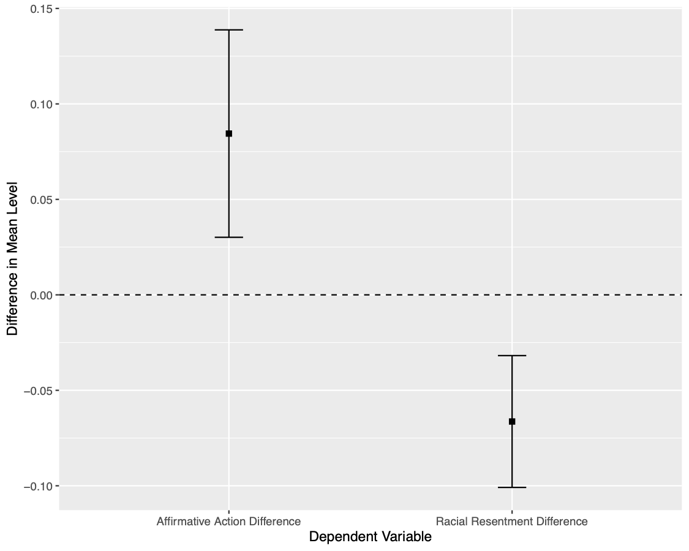
In a new research paper published in the Journal of Politics, we consider how race-centered coursework influences public opinion among college students. This is important because college student bodies have diversified over the past few decades. As such, many colleges and universities are offering courses on race and ethnicity to meet student demand, especially in response to contemporary events, such as protests for racial justice in the summer of 2020. There has also been pushback against educational initiatives that center race and diversity, with several states restricting such activities at public universities in recent years.
1 Comment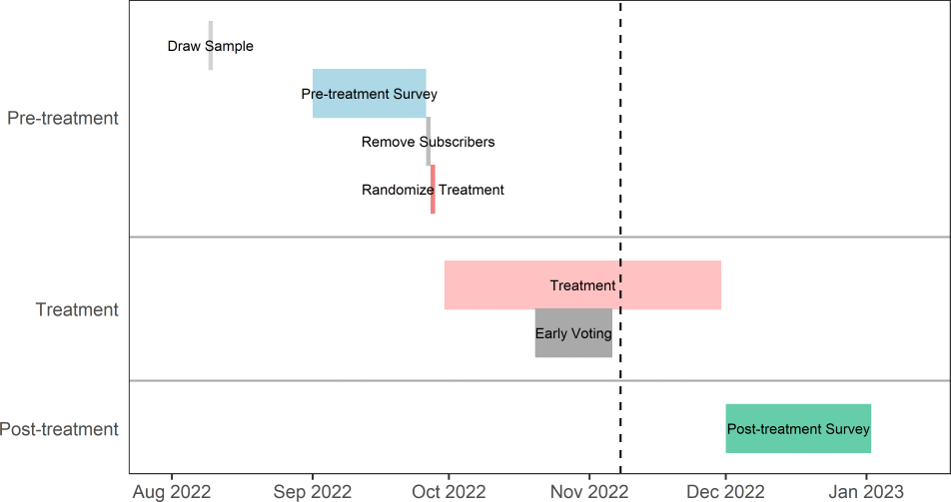
Local newspapers were once a staple of American political life. Information is the lifeblood of democracy, and newspapers have long been critical providers of information to the public. Founding figures of the American democratic experiment described newspapers as essential for ensuring that government is responsive and accountable: Thomas Jefferson, the principal author of the Declaration of Independence and the nation’s third President, wrote that given a choice between “government without newspapers or newspapers without government,” he “would not hesitate a moment to prefer the latter.”
Leave a Comment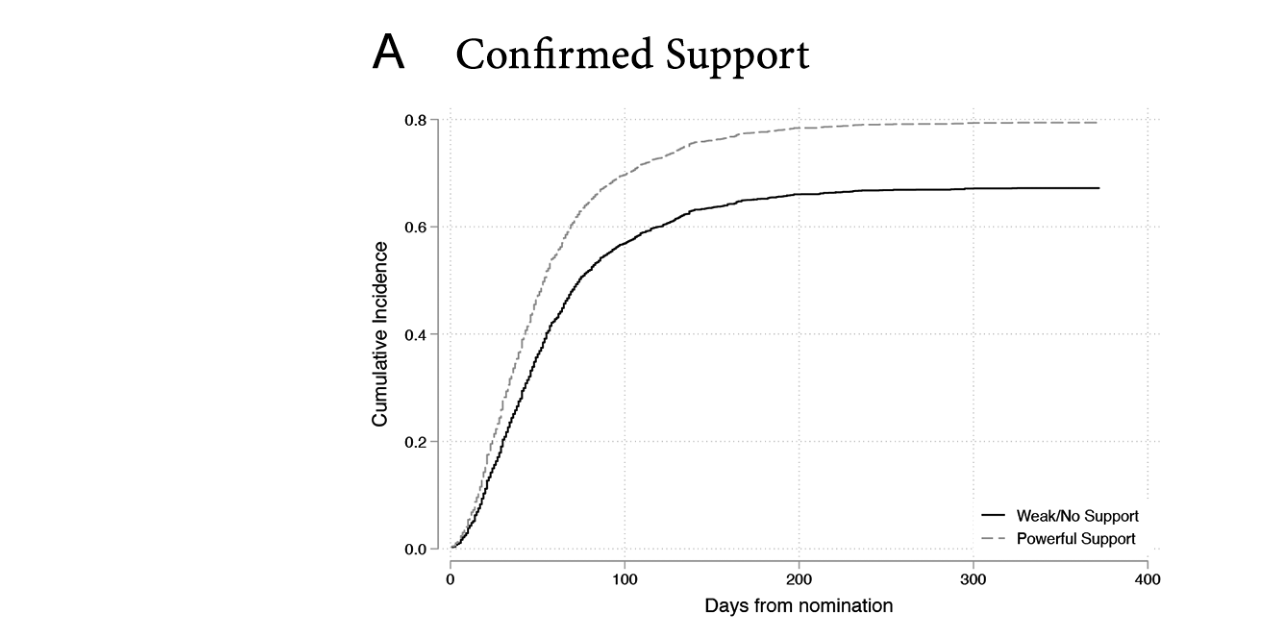
When a president nominates someone to lead a federal agency, the confirmation process is often described as a negotiation between the White House and the Senate. That view is incomplete. Organized interests are also part of the process, and their influence can begin well before many nominees ever take office.
Leave a Comment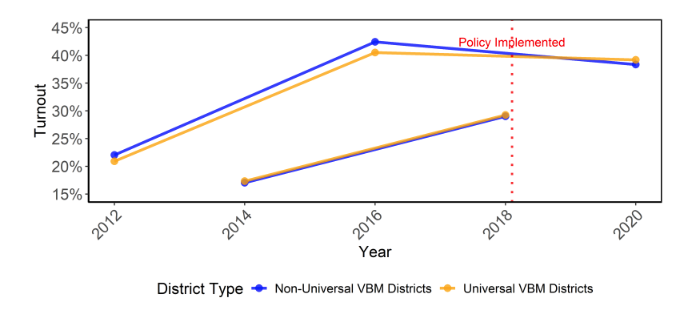
In recent years, voting by mail has been the subject of numerous lawsuits and attacks that often claim the process gives Democratic nominees and legislative bills an edge. Are there merits to this claim, and what are the actual causal effects of sending ballots to all registered voters? In the paper, we take advantage of a unique situation in Southern California that allows us to pin down the causal effects convincingly.
Leave a Comment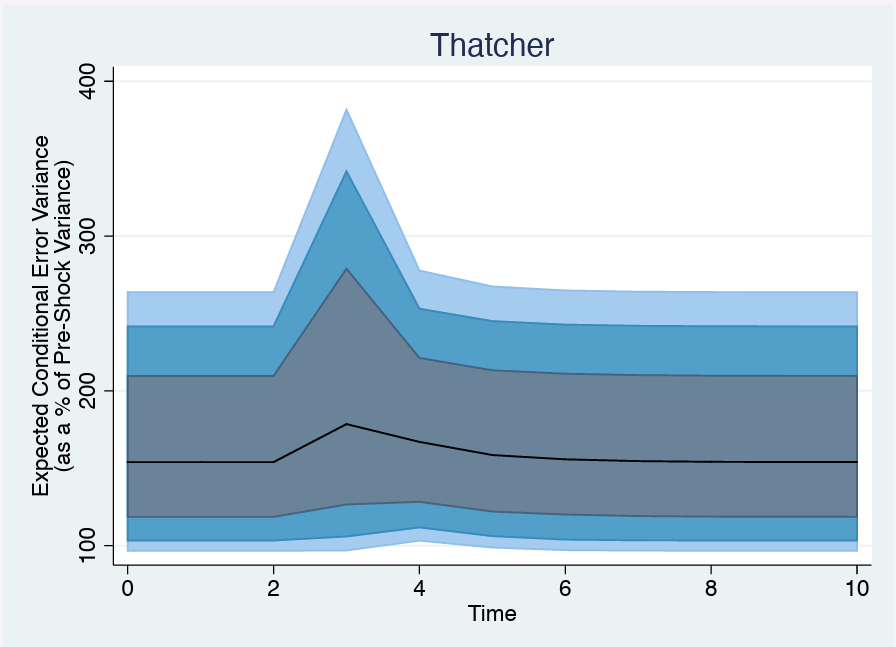
Many of the variables social scientists care about most change over time. We typically build models to explain shifts in average levels, such as how approval ratings rise or fall in response to economic change, or how GDP grows or contracts in response to political events. Yet sometimes what matters is not the average level of a variable but how erratic it is.
Leave a Comment