

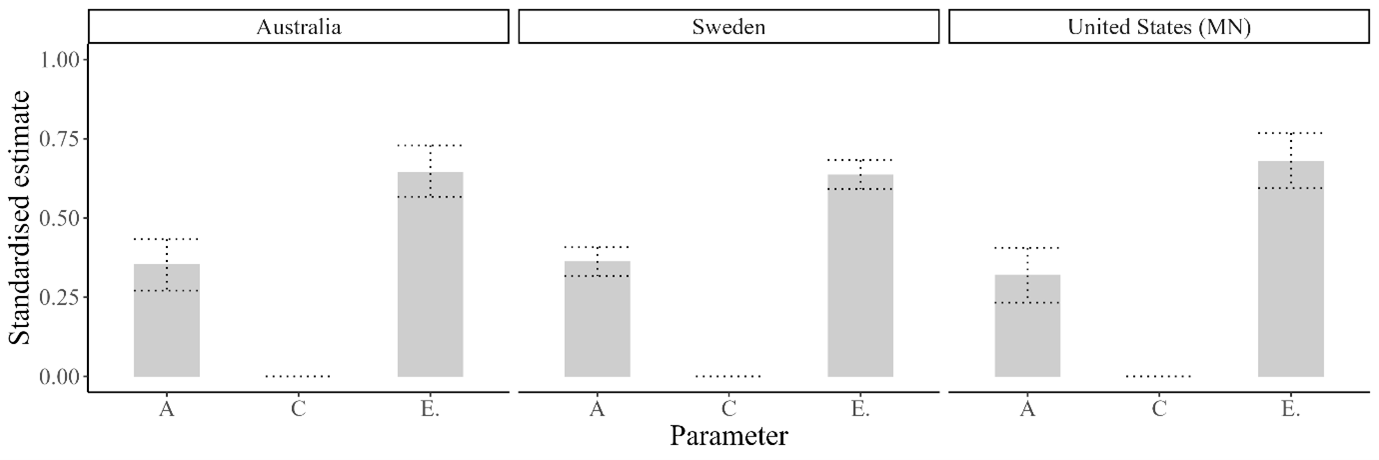
People are interested in political distrust because we normally assume that it is caused by poor government performance and that it has negative consequences, especially for political participation. In this paper, we challenge these two assumptions.
Leave a CommentCategory: Comparative Behavior
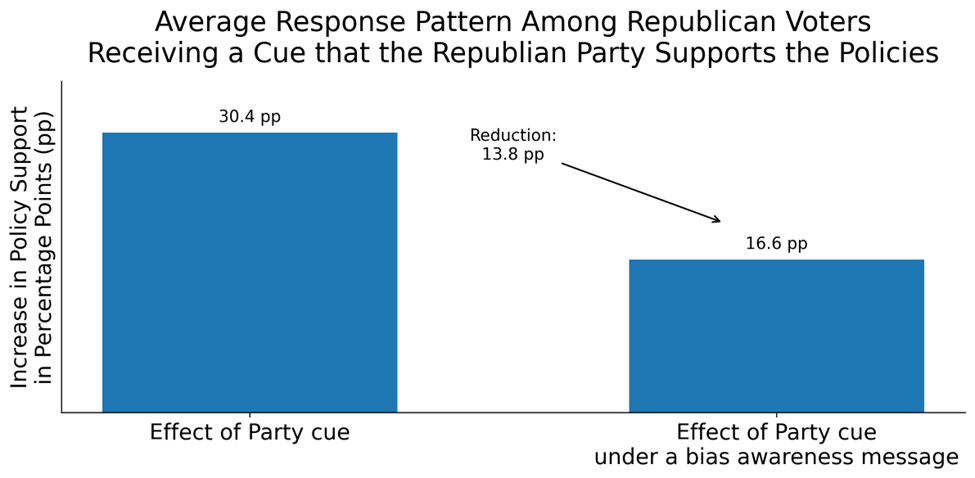
One of the strongest findings in political behavior research is that people often take cues from their party when forming opinions. If their party supports a proposal, they are more likely to support it too. If the opposing party supports it, they often move the other way. In a polarized age, that pattern matters. It suggests that citizens may sometimes respond less to what a policy does than to who backs it.
Leave a Comment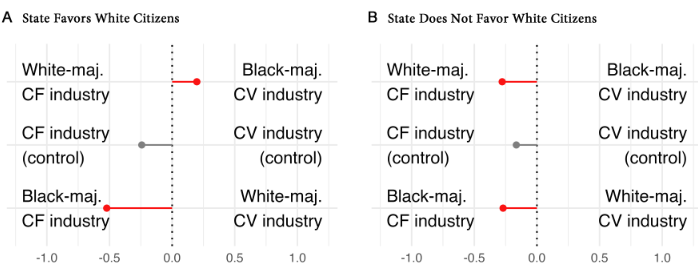
Climate change is an issue of economic transformation. As societies decarbonize, the focus of economic activity will shift from greenhouse gas-intensive industries to clean alternatives. As they are forced to…
1 Comment
Imagine you’re a politician enjoying a decent run in the opinion polls. You post on Facebook about the issues you care about most—your party’s core themes, the things you think…
1 Comment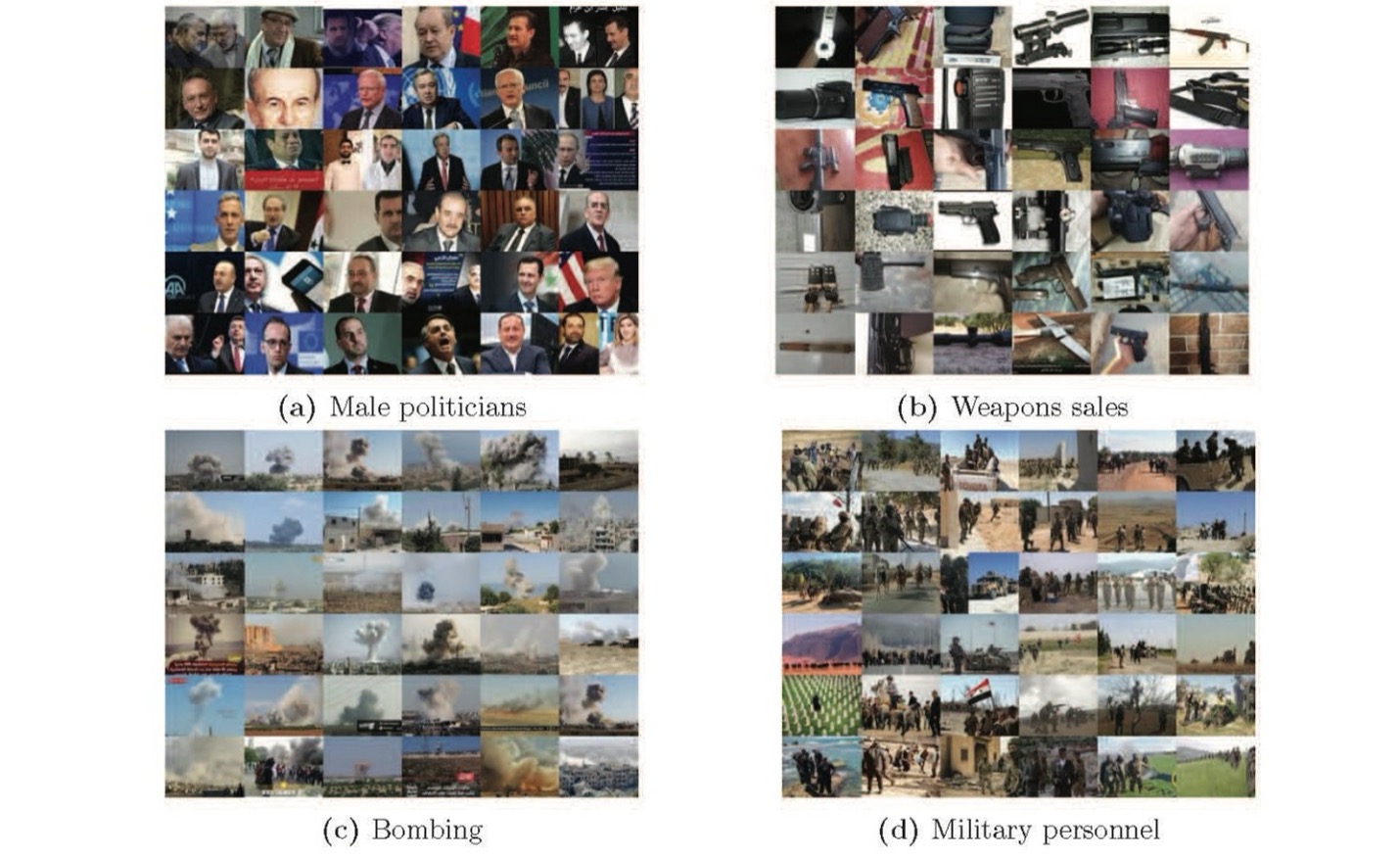
Online Framings of Offline Violence in Syria’s Civil War How do representations of violent conflict differ across social media platforms? Our recently published article tackles this question through a close…
Leave a Comment