About the Milton Plesur Graduate Conference
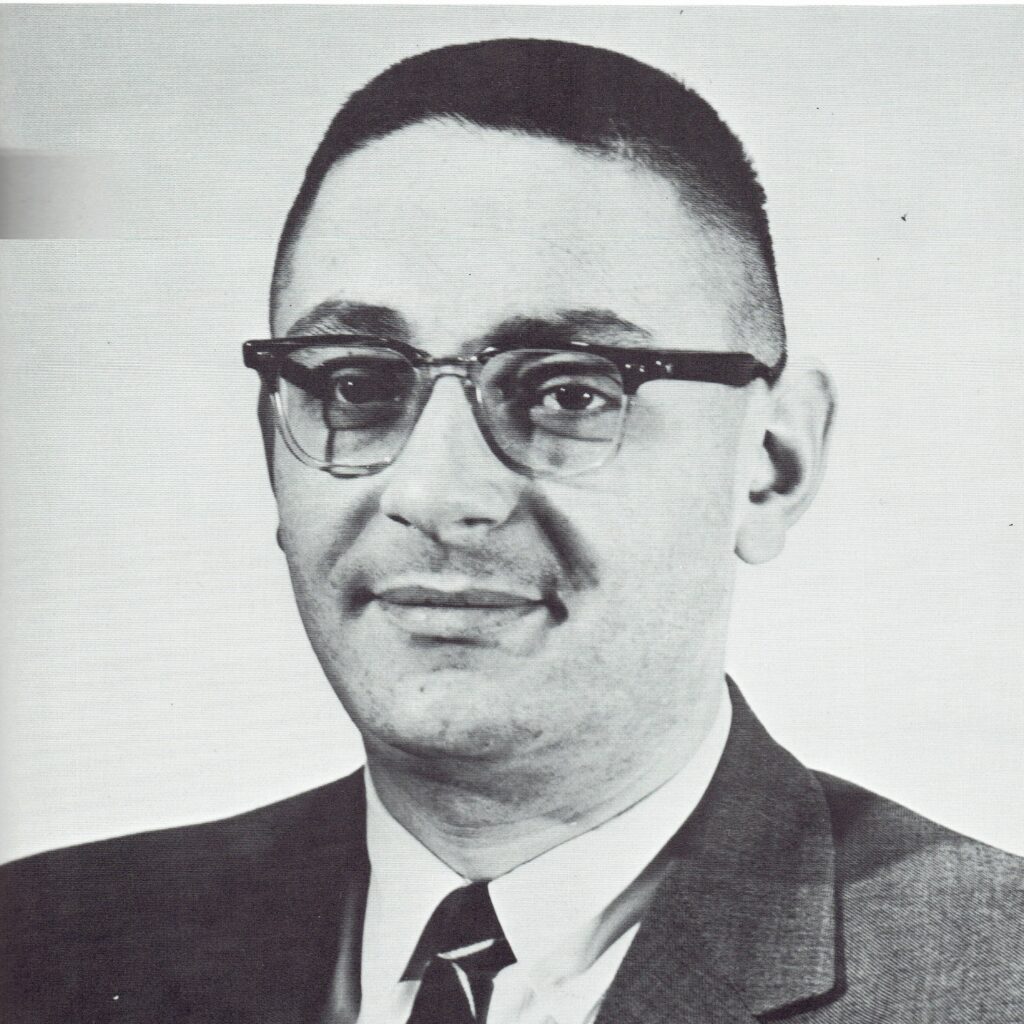
The Milton Plesur Graduate Conference was named in honor of Dr. Milton Plesur. Plesur was a former professor in the Department of History (1955-1987), whose profound impact on the University at Buffalo included a staunch commitment to public scholarship.
The 2026 Milton Plesur Graduate Conference honors Dr. Plesur’s commitment to public scholarship by showcasing the social and cultural impacts of the humanities and social sciences beyond institutional walls. We believe producing knowledge is not relegated to particular silos of thought; rather, knowledge is built from active collaboration with our academic colleagues and the broader public.
“Breaking the Silo” is a celebration not only of interdisciplinary and cross-departmental scholarship but our combined strengths as social scientists, artists, and theorists. We are stronger together, and this strength is reflected in the graduate panelists’ work featured in this conference.
Keynote Speaker Highlight: Dr. Susan Burch
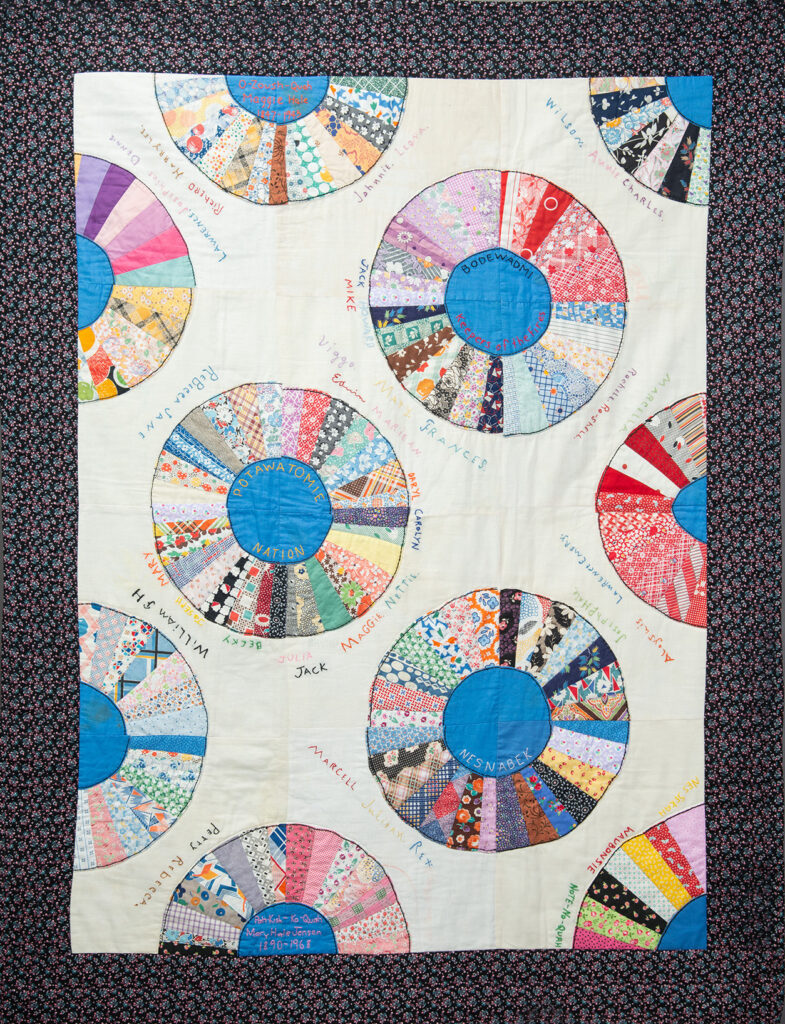
Dr. Susan Burch is a professor of American Studies at Middlebury College in Vermont. Her research and teaching interests focus on histories of deaf, disability, Mad, race, ethnicity, Indigeneity, and gender and sexuality. Material culture, oral history, and inclusive design play an important role in her work. Burch has received numerous grants and awards for her work, including an American Council of Learned Societies Fellowship, National Archives regional residency fellowship, National Endowment for the Humanities and Mellon Foundation grants, and a Fulbright Scholars award. Her latest book, Committed: Native Families, Institutionalization, and Remembering (UNCP, 2021) centers on peoples’ lived experiences inside and outside the Canton Asylum, a federal psychiatric institution created specifically to detain American Indians.
Program of Events
Friday, March 27th, 2026
UB North Campus Davis Hall, Rm 101
3:00-3:30 PM Registration & Welcome
3:30-4:00 PM Opening Remarks
Alyssa Martin (History) “A (Re)Introduction to the Plesur Conference & Introducing Dr. Burch”
4:00 PM-5:30 PM Keynote Speech & Moderated Discussion
Dr. Susan Burch (Dept. of American Studies, Middlebury College) “Edge work: reflections on learning, unlearning, and reimagining.” Discussion facilitated by Alyssa Martin.
5:30-7:30 PM Reception
Saturday, March 28th, 2026
UB North Campus Natural Sciences Complex
Panel A Series, Rm 218
Panel B Series, Rm 222
Breakfast & Lunch, Rm 228
9:00-10:00 AM Registration Check-In & Continental Breakfast
10:00-11:15 AM Panels 1A & 1B
Panel 1A “Disciplinary Interventions: New Approaches to Academic Pedagogy and Method”
Moderated by Dr. Cari Casteel (Dept of History)
Panelists
Teya Juarez (Theater & Performance) “Modes of Dissemination: The Dramaturgical Zine”
Isaac Kolding (English) “Asking Big Questions in Humanities Scholarship Outreach”
Rachael Ojeleye (Linguistics) “Discourse, Fragment Answers, and Focus Marking In Yorùbá”
Hawa Saleh (English) “The Desire to Be Right in Perpetuity: Detecting the Hidden Insecurities in Said’s Orientalism”
Tiffany Nhan (School of Social Work)“‘Where Are You From?…’ A Qualitative Study on Asian Americans’ Perspectives of Discrimination & Oppression”
Panel 1B “Resistances and Resonances: Approaching the Past, Present, and Future through Visual Analysis”
Moderated by Dr. Robin Mitchell (Dept. of History)
Panelists
Damilola Fagite (History) “Out in the Darkness: Postpartum Depression and Motherhood in Colonial Nigeria”
Sam King-Shaw (Global Gender & Sexuality Studies) “Claiming and Creating Ancestors: Black Queer Archives and Cross-Temporal Desire in The Watermelon Woman and Looking for Langston”
Molly Dunfield (Indigenous Studies) “Beyond Picasso: Eurocentric Modernism and Indigenous Collage”
Jessica Sullivan (History) “The Question of Agency: The Spatial Creation of Inclusion and Exclusion in Zion City”
11:30 AM-12:45 PM Panels 2A & 2B
Panel 2A “Sovereignty and Statehood: Imperialism and the Boundaries of Personhood”
Moderated by Dr. Robert Caldwell (Dept. of Indigenous Studies)
Panelists
Kailey McDonald (Global Gender & Sexuality Studies) “Clear the Land: Wastelands, Land Use, and Relationality in Narratives of Colonial Nation-Building”
Oluwafisayo Ogundoro (Africana & American Studies) “Working Mothers and Unsustainable Childcare Policy in the Time of Crisis: A Social History of COVID-19 in NY and Georgia”
Delaney O’Connell (Indigenous Studies) “‘Former’ to Future: Reinscribing Indian Territory on the Map of Oklahoma”
Alyssa Warrior (Indigenous Studies) “An Analysis of the Cattaraugus Creek”
Juan Basallo (Romance Languages & Literatures) “‘Las voces del estrecho’ a graveyard in the sea”
Panel 2B “Local Studies, Local Impacts: Interdisciplinary Approaches to the History and Culture of Western New York”
Moderated by Dr. Sarah Handley-Cousins (Dept. of History)
Panelists
Joshua Allen (Global Gender and Sexuality Studies) “Racial empires of sensation: Sense and sentimentality at the 1901 Pan-American Expo in Buffalo, New York”
Kyle Weinsheimer (History) “Nobody Dead, Everybody Dying: A Critical Retelling of the Buffalo Uprising of 1967”
Jonas Adams (Sociology & Criminology) “Future Projections of City and Nature in the Making of a Rust Belt Road”
Rachel Pitonyak (Africana & American Studies) “Film Distribution and Exhibition: How the COVID-19 Pandemic Challenged Small and Independent Theatres in the Buffalo-Niagara Region”
1:00-2:00 PM Catered Lunch
2:15-3:30 PM Panel 3A
Panel 3A “Writing as Praxis: Exploring Trauma, Relationship Building, and Identity Making through Narrative”
Moderated by Dr. Michael Rembis (Dept. of History)
Panelists
Gagne (English) “Gal Pals: Romantic Friendship, Best of Friends, and Lesbianism in Twentieth-Century United States”
Hannah Gordon (Global Gender & Sexuality Studies) “Tidal Spills: Trauma, Temporality, and the Sticky Matter of Intra-Activity”
Kamla Persaud (English) “Truth-telling in Foucauldian Genealogy as Psychoanalytic Cure”
Chijioke Ngobili (History) “Of African Pains: A Critical Review of the Study of African Traumas from Mid-Twentieth Century to Present”
Thank You to Our Sponsors