

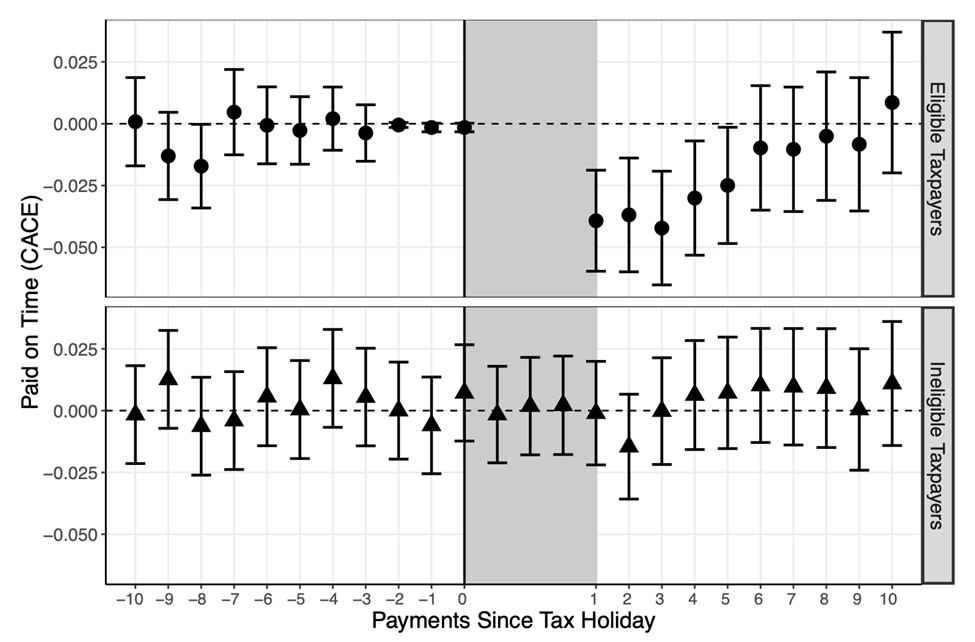
Montevideo’s Lottery for Good TaxpayersIn 2004, Montevideo, the capital of Uruguay, launched a pioneering program to reward punctual taxpayers by entering them into a lottery. The winners got a “tax…
Leave a CommentThe Journal of Politics Blog Posts
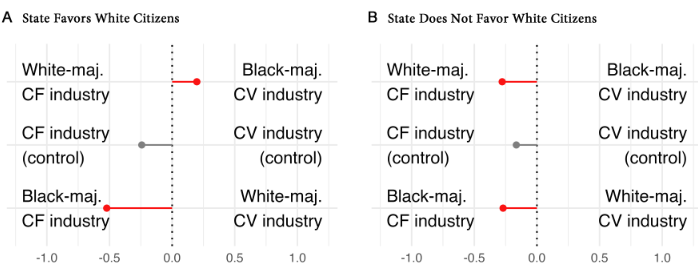
Climate change is an issue of economic transformation. As societies decarbonize, the focus of economic activity will shift from greenhouse gas-intensive industries to clean alternatives. As they are forced to…
1 Comment
Imagine you’re a politician enjoying a decent run in the opinion polls. You post on Facebook about the issues you care about most—your party’s core themes, the things you think…
1 CommentA core focus of the international security literature has been how states manage uncertainty in crises and assess whether their rivals are serious about going to war. The problem, as…
Leave a CommentFor decades, American voters tended to like politicians who shared their gender or race. This preference for “descriptive representation” often reflected more positive associations with members of one’s own group.…
Leave a CommentBy Gregory Robson, University of Notre Dame, and Justin Tosi, Georgetown University
Lately, we’ve been getting daily surprises about new and impressive things that AI can do. Some commentators have begun to wonder whether AI will revolutionize prospects for economic planning.
Leave a CommentSupreme Court and Policy Change While moneyed interests had always approached the Supreme Court for help advancing their goals, the Supreme Court’s 1954 ruling in Brown v. Board of Education…
Leave a CommentForeign interference in democratic elections has become a source of growing concern. Because outside involvement can affect the outcome of elections, candidates may be tempted to seek foreign help. But…
Leave a CommentWhat happens when politicians face stricter budget constraints? Do they become more efficient managers of public resources, or do they find new ways to conceal misbehavior? Following the Great Recession,…
Leave a CommentBy Kim Maslin, Hendrix College
I am not the youngest among us, which may explain why I prefer the page-turn feature on my Kindle. Like Olga, AI gives me pause. I have found some small solace in reports that students are as unhappy when their instructors use AI as we are when our students use it.
Leave a Comment