

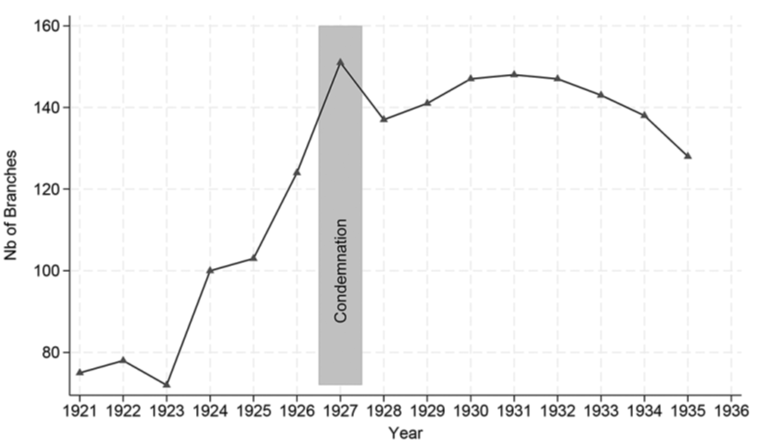
Political extremism is often attributed to voter anger and broader structural socioeconomic conditions. From this perspective, efforts to counter extremist movements may appear futile, since such groups are seen as deeply embedded in the contexts from which they arise. But is this necessarily the case? To address this question, we examine the Papal condemnation of an influential far-right movement in interwar France.
Leave a CommentMonth: April 2026
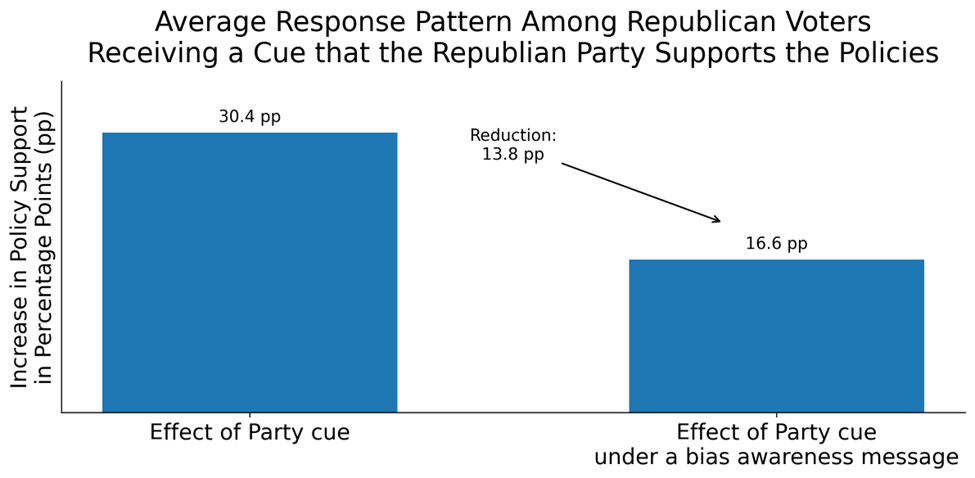
One of the strongest findings in political behavior research is that people often take cues from their party when forming opinions. If their party supports a proposal, they are more likely to support it too. If the opposing party supports it, they often move the other way. In a polarized age, that pattern matters. It suggests that citizens may sometimes respond less to what a policy does than to who backs it.
Leave a Comment